Skip to content
KinéPath, Home

Typical cases

Typical cases that show the situations treated at the practice. The pictures are AI-generated and checked by the physiotherapist before they are published.

Area of care

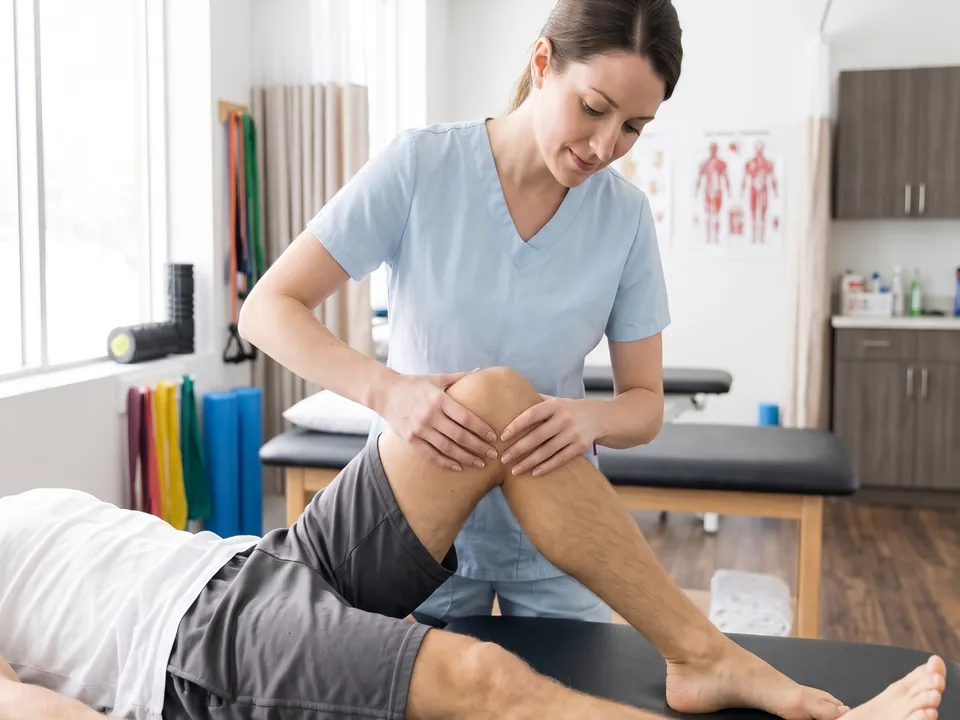
  • A physiotherapist bends the knee of a patient lying on a treatment table.
    AI-generated illustration, checked by the physiotherapist.

    Sports rehabilitation

    After an ACL tear

    After an anterior cruciate ligament reconstruction, rehabilitation supports the recovery of mobility, strength and control of weight-bearing. The programme changes according to the assessment, the surgeon’s instructions and the patient’s goals.

    Suggested care

    • gradual strengthening
    • control of weight-bearing
    • preparing to return to sport

    Read the page “Anterior cruciate ligament (ACL) tear”

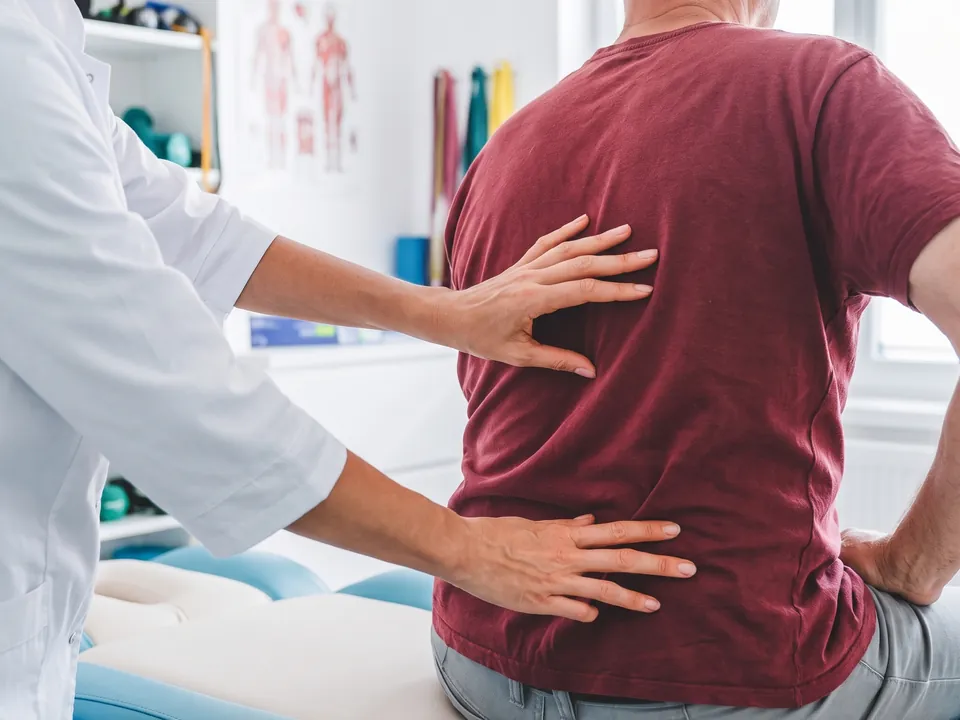
  • A physiotherapist places her hands on the upper and lower back of a seated patient, seen from behind.
    AI-generated illustration, checked by the physiotherapist.

    Rheumatism and joints

    Low back pain – McKenzie approach

    Assessment of low back pain according to how it responds to movements and positions. The McKenzie approach guides the exercises in order to reduce functional limitations and support the patient’s independence.

    Read the page “Low back pain (backache)”

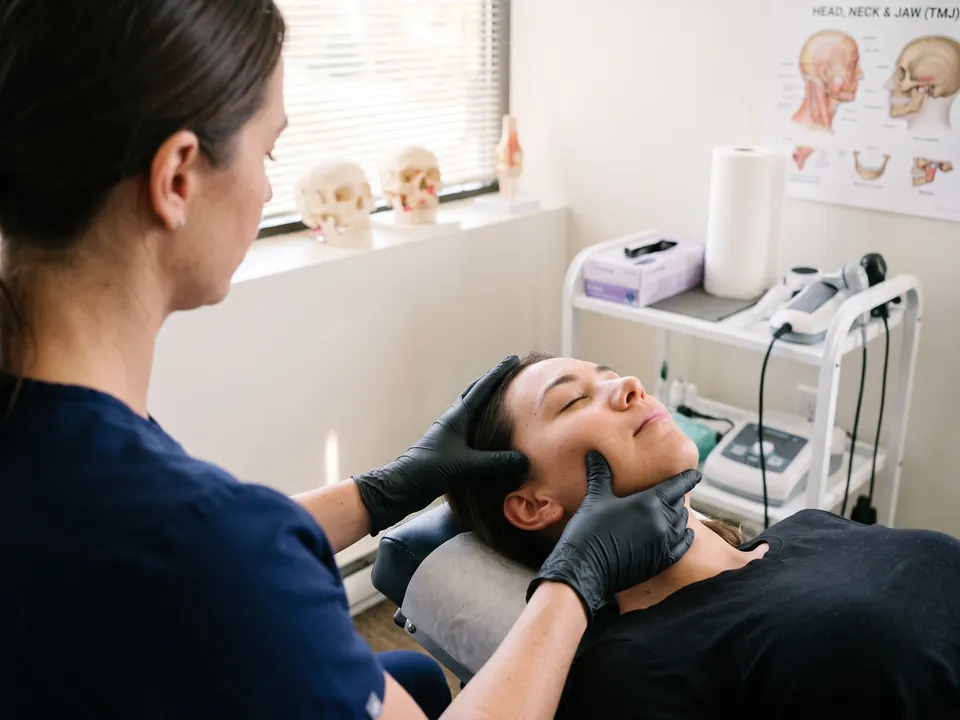
  • A gloved physiotherapist places her hands on the jaw and temple of a patient lying down with her eyes closed.
    AI-generated illustration, checked by the physiotherapist.

    Bones and fractures

    Maxillofacial rehabilitation – Fracture and dislocation of the TMJ

    Care for fractures of the lower jaw and disorders of the temporomandibular joint (TMJ), including dislocations. The work focuses on mouth opening, jaw mobility and coordination of movements, according to medical instructions.

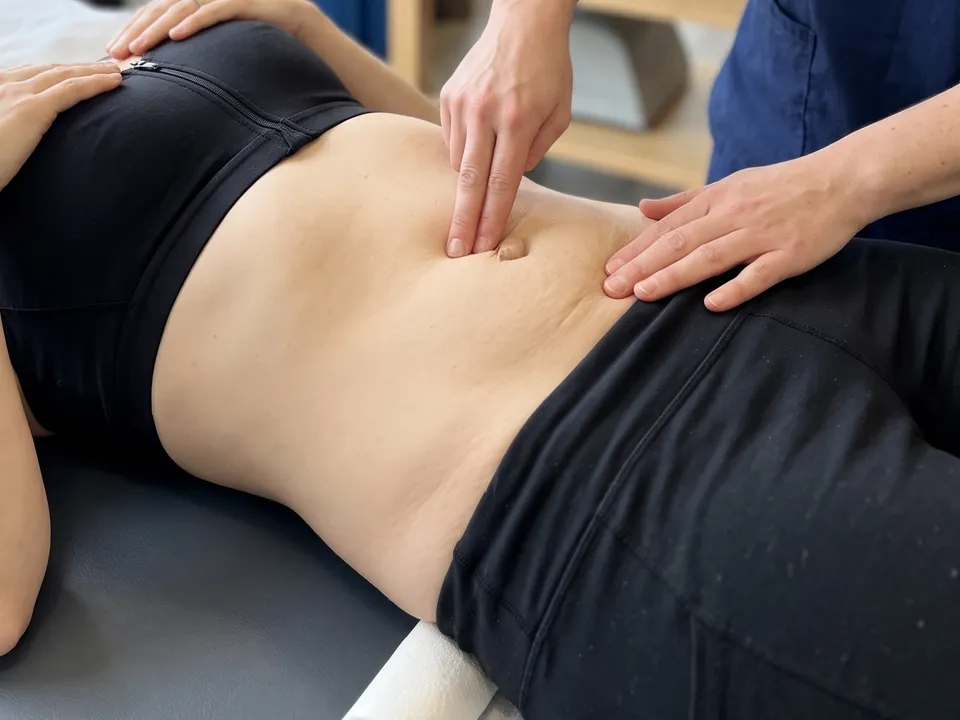
  • A physiotherapist presses with her fingertips on the abdomen of a patient lying down, just above the navel.
    AI-generated illustration, checked by the physiotherapist.

    Pregnancy, after birth, incontinence

    Abdominal diastasis – Rehabilitation after pregnancy

    Work on abdominal function and on coordination between the abdomen and the pelvic floor after pregnancy. The exercises focus on managing pressure and returning to effort, following the principles of the de Gasquet method.

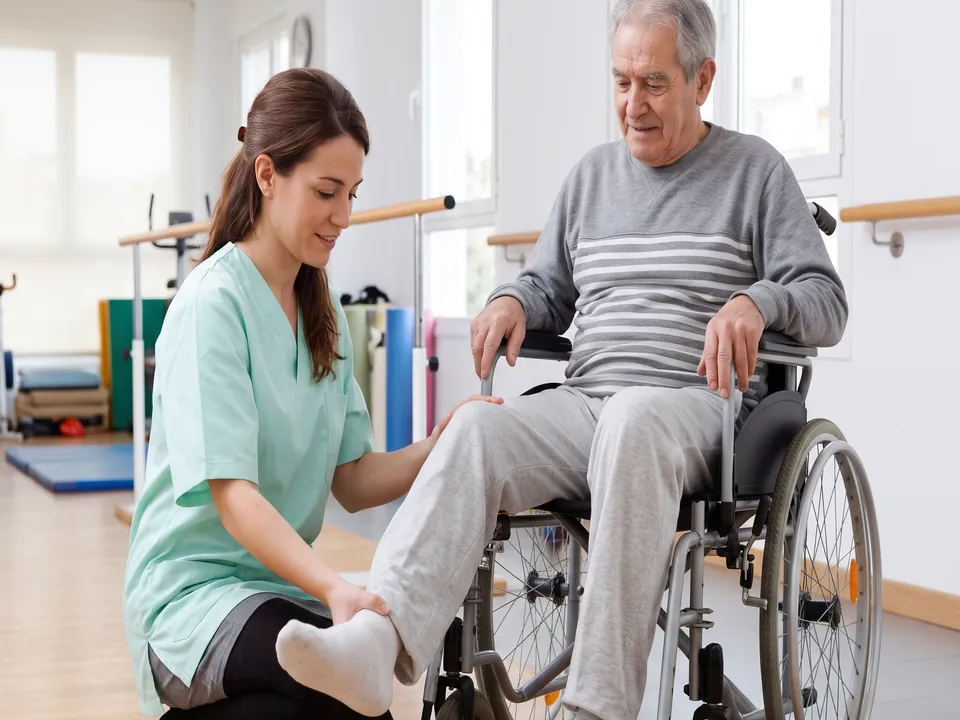
  • A crouching physiotherapist supports the foot and knee of an older patient sitting in a wheelchair.
    AI-generated illustration, checked by the physiotherapist.

    Paralysis and the nervous system

    Neurological rehabilitation after a stroke

    Care for the after-effects of a stroke on movement: muscle weakness, balance problems and difficulty walking. The sessions focus on functional abilities, transfers and independence in daily life.

    Read the page “Hemiplegia after a stroke”

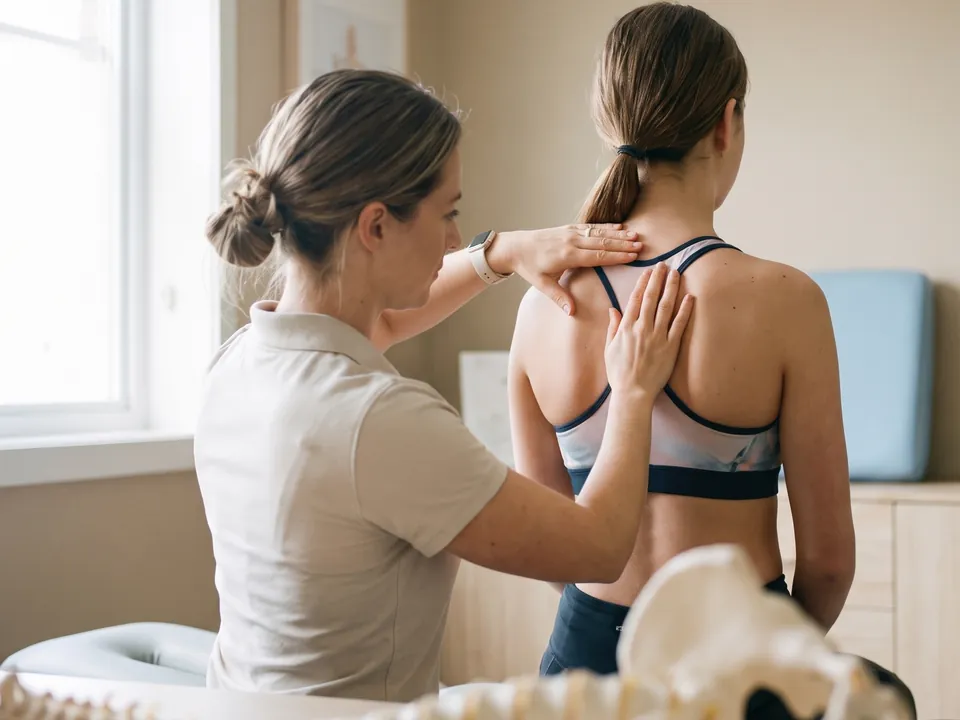
  • A physiotherapist places her hands on the shoulder and upper back of a standing patient, seen from behind.
    AI-generated illustration, checked by the physiotherapist.

    Posture and balance

    Postural rehabilitation and back ergonomics

    Care for back pain and tension linked to postural habits, repetitive movements and prolonged positions. The work focuses on mobility, muscle strengthening, posture education and ergonomic adjustments in daily life.